Pipefitting and why it’s a good time to learn the trade
The Skills Centre has launched a Pipefitting NVQ Level 2 Diploma in Performing Engineering Operations (Engineering Practices) which is ideal for experienced operatives looking to prove their competence in real workplace conditions.
The qualification builds practical skills across essential engineering activities, including safe working practices, machining, assembly, maintenance, and technical understanding - all aligned with national occupational standards.
But what exactly is pipefitting and why is it a good trade to learn? We explain more.
What is pipefitting?
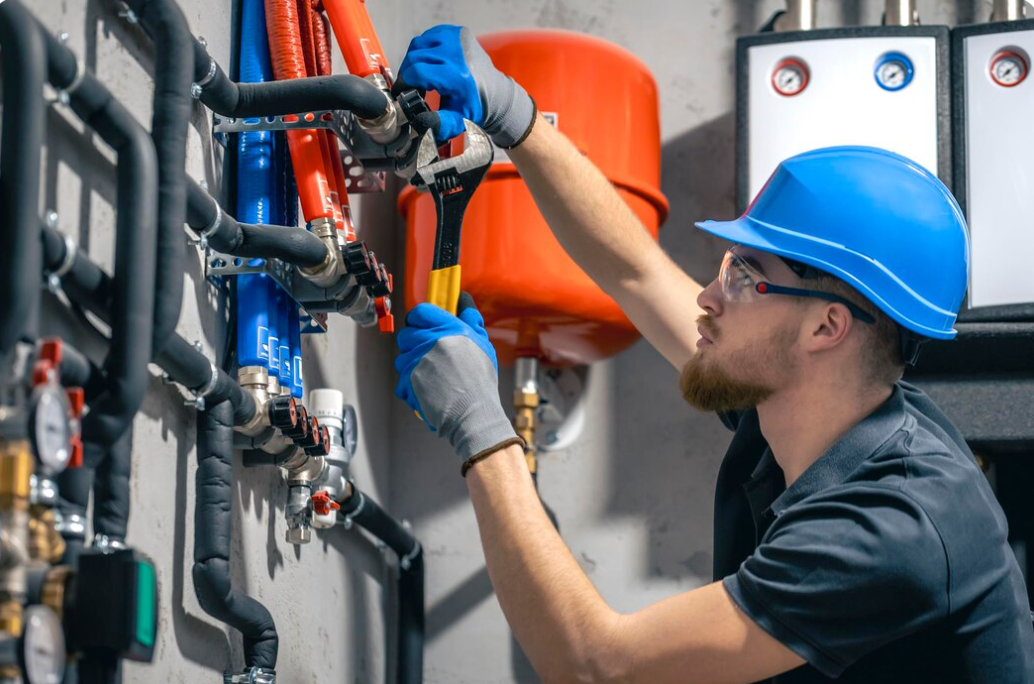
Pipefitting in construction is the part of the building industry that deals with installing and assembling pipe systems inside new or existing buildings and infrastructure projects.
These systems are essential because they keep buildings functioning safely and efficiently. They are used to carry water, steam, gas, chemicals, heating and cooling fluids in buildings, factories, power plants and industrial facilities.
In construction, pipefitters typically work on:
- Heating systems (radiators, boilers, district heating)
- Cooling systems (air conditioning and HVAC pipework)
- Water systems (hot and cold water supply)
- Drainage systems
- Fire protection systems (sprinkler pipework)
- Sometimes gas or compressed air systems in commercial buildings
Where you would see pipefitters in construction
Pipefitters are common on:
- New build housing developments
- Hospitals and schools
- Office blocks and retail centres
- Industrial plants and factories
- Infrastructure projects (like tunnels or transport hubs)
They usually work alongside plumbers, welders, heating engineers, and general construction teams.
What sort of jobs are available for pipefitters?
The UK construction and engineering sectors are facing an ageing workforce, with many experienced tradespeople retiring. This means that employers are struggling to recruit qualified pipefitters, particularly those with industrial and commercial experience. This under resource, while challenging for employers, opens opportunities to fill vacancies for those who are trained.
Pipefitters are currently in very high demand as there are lots of major construction and infrastructure projects either underway or starting that rely heavily on mechanical and piping systems (HVAC, heating, cooling, water, industrial process systems, etc).
These include:
HS2 (High Speed 2): This is the massive rail infrastructure project building new high-speed railway lines, stations, tunnels, and maintenance depots between London, Birmingham, and the Midlands.
Hinkley Point C: This is the UK’s first new nuclear power station in decades, and one of the most technically demanding construction sites in Europe.
On HS2, pipefitters are involved in large-scale mechanical systems such as ventilation, heating, drainage, and fire protection across stations, tunnels, and depots. While at Hinkley Point C, they work on highly technical, safety-critical pipe systems for nuclear power generation, including high-pressure and cooling systems.
Beyond these flagship projects, there is consistent demand across the country in commercial developments, public sector building programmes, and the energy transition, including renewable and low-carbon facilities. This mix of long-term projects and steady regional construction work means pipefitters benefit from strong job security, varied work environments, and opportunities for progression into specialist, supervisory, or higher-paid industrial roles.
How much can pipefitters earn?
Because the trade is highly skilled and often shortage-driven, experienced pipefitters have strong earning potential, especially on industrial projects or through overtime and contract work.
The benefits of a pipefitting NVQ qualification
Pipefitting combines practical installation skills with technical knowledge, making it a career that remains valuable across multiple industries. Skilled workers can progress into site supervision, project management, welding inspection, mechanical engineering support roles and training and assessing.
In terms of training, many people enter the trade through:
- Apprenticeships
- Level 2 or 3 diplomas in pipefitting/plumbing/mechanical engineering, like this one at The Skills Centre
- CSCS or ECS accreditation
- NVQs in Mechanical Engineering Services
For training providers and employers, pipefitting is often seen as a high-value vocational skill because it leads directly into employment on major projects where labour demand remains consistently high.
Pipefitting also offers excellent opportunities to upscale your career. By building on foundational layout, cutting, and joining skills, you can transition into high-paying, specialised, or leadership roles.